Resilient Lismore
A community-led flood preparedness platform for Lismore residents
MY ROLE
I was responsible for the web experience, with a focus on WCAG accessibility standards
My work included synthesising research insights, structuring accessible information architecture, and designing flows that prioritised preparedness and community coordination. Other team members focused on the mobile and tablet experiences.
[Project Scope]
Team of 3
[Role]
UX Designer responsible for web
[Timeline]
10 weeks
View prototype
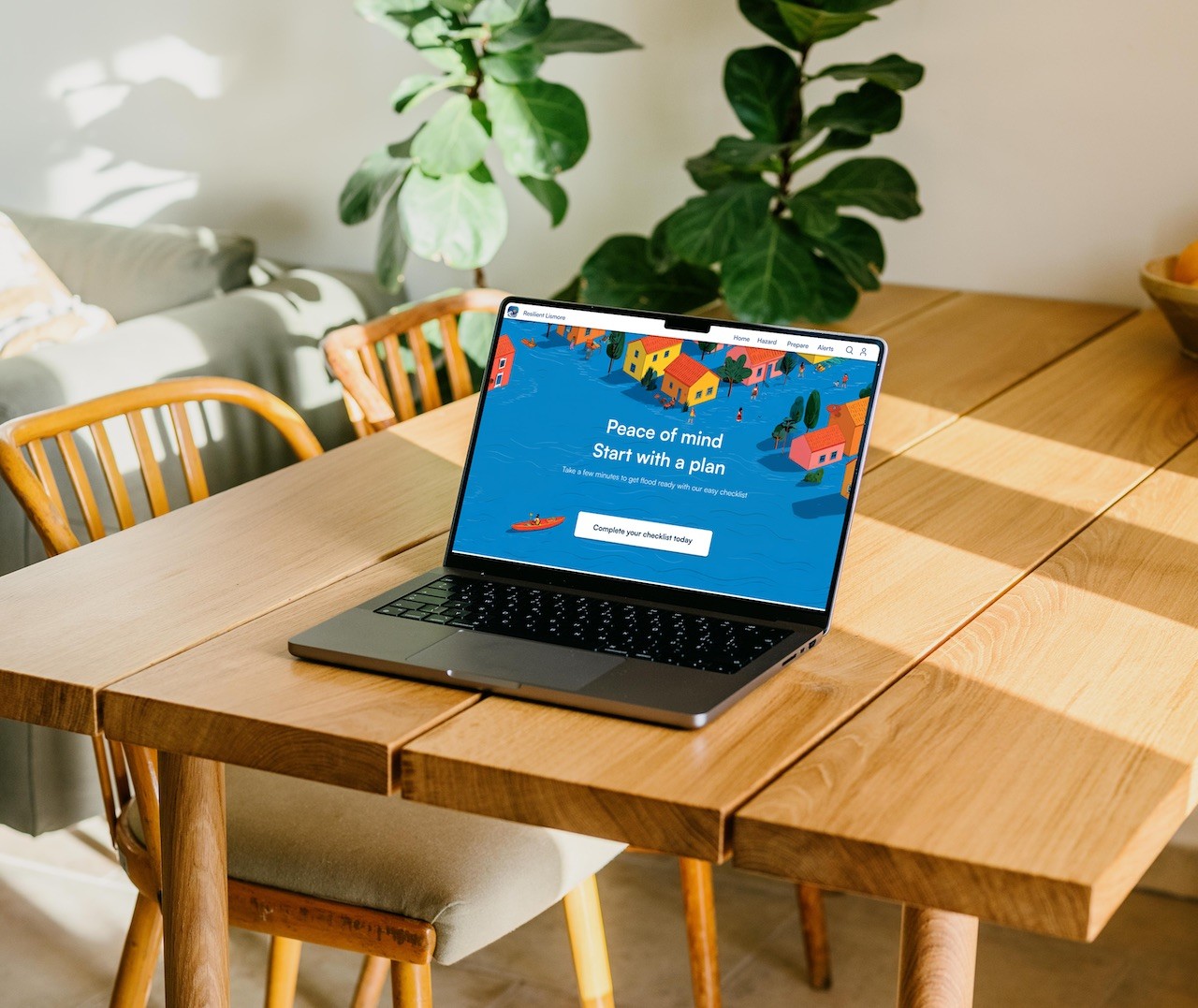
Our Solution - Resilient Lismore
A community-led flood preparedness platform built for real moments of uncertainty
Built on local trust, knowledge and care, not just emergency alert
Centred on community, not bureaucracy- designed around how Lismore residents already support one another
Calm, trauma-aware design — avoids alarmist language and imagery that can retraumatise users
Accessible at the core— WCAG-informed design to support diverse ages, abilities, and digital literacy levels
One trusted place — bringing preparation, updates, and local resources together when it matters most
ONLINE ETHNOGRAPHY
"Every time it rains heavily, I worry the levee will fail and we'll have another flood"
For many residents, the floods didn’t end in 2022, the anxiety and worry never left.
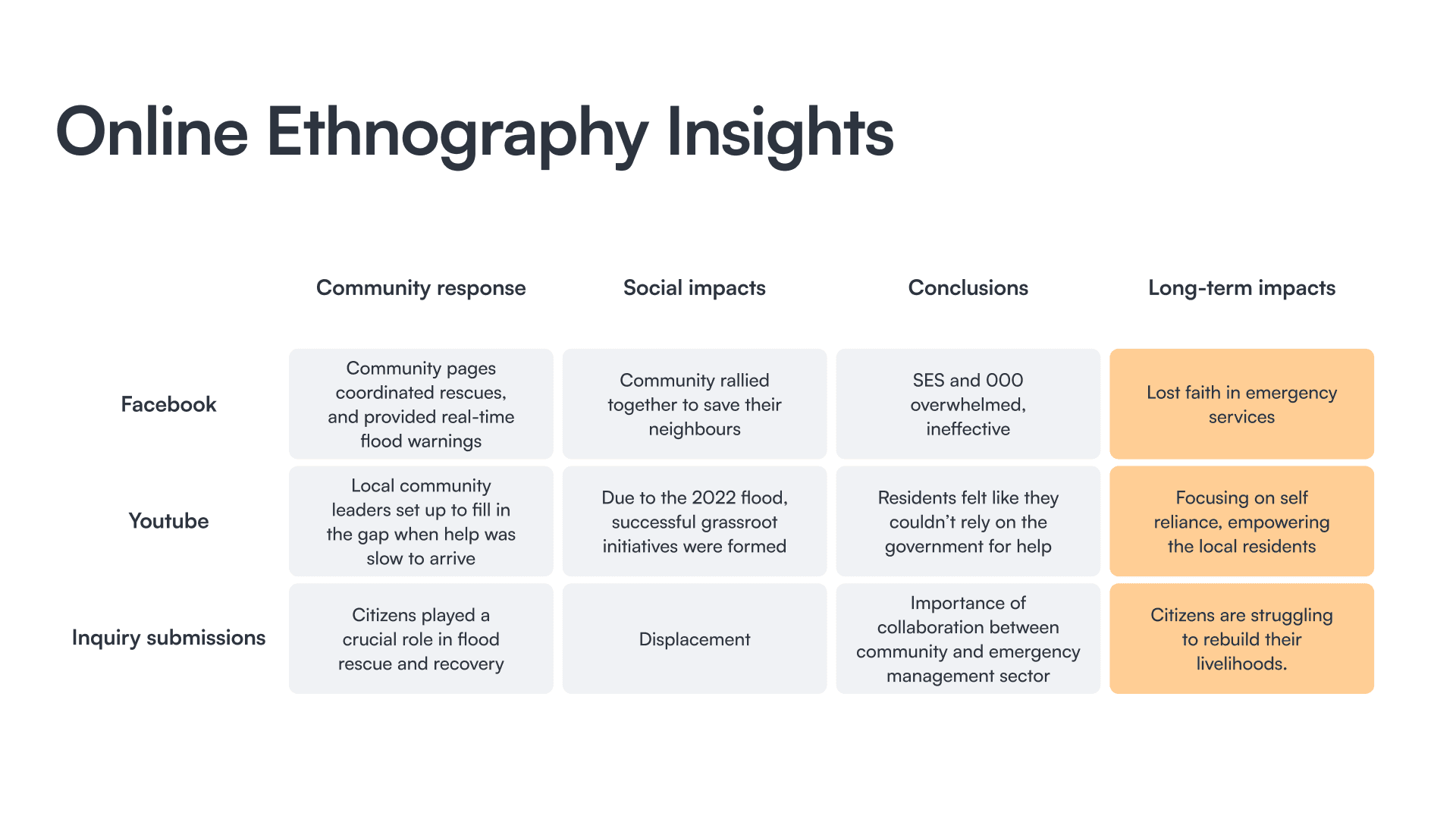
We conducted online ethnography across Reddit threads, community Facebook groups, YouTube interviews, and public inquiry submissions to understand how residents experienced flooding in real time. These spaces revealed how communities self-organised when formal systems were overwhelmed — coordinating rescues, sharing live flood updates, and filling critical gaps while emergency services struggled to respond.
Beyond immediate response, the conversations surfaced deeper social and emotional impacts. Many residents expressed a loss of trust in government-led emergency services following the 2022 floods, alongside a growing reliance on community-led action and self-organisation. Over time, this has reshaped how people in Lismore prepare for floods — prioritising local knowledge, collaboration, and resilience, even as long-term displacement and livelihood recovery remain ongoing challenges.
DEFINING PERSONAS
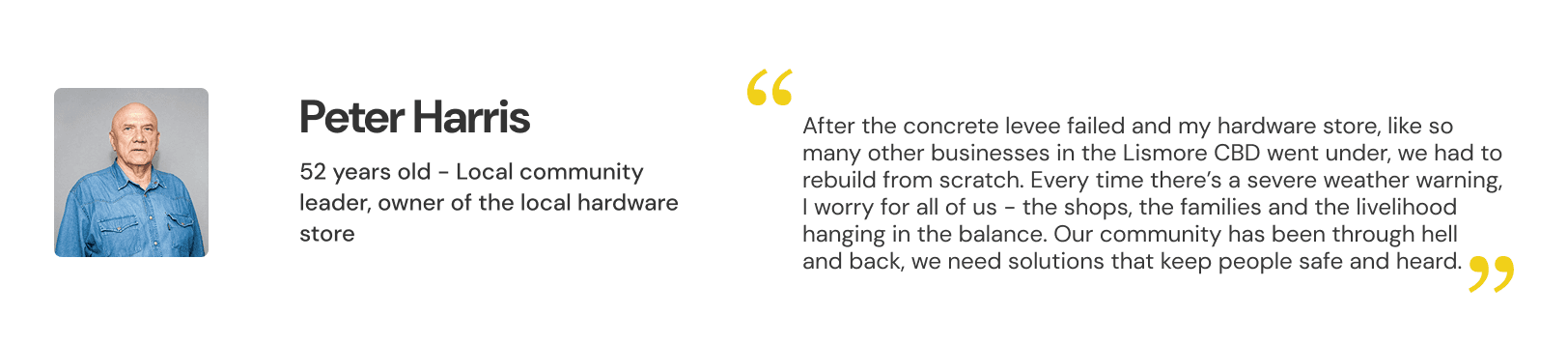
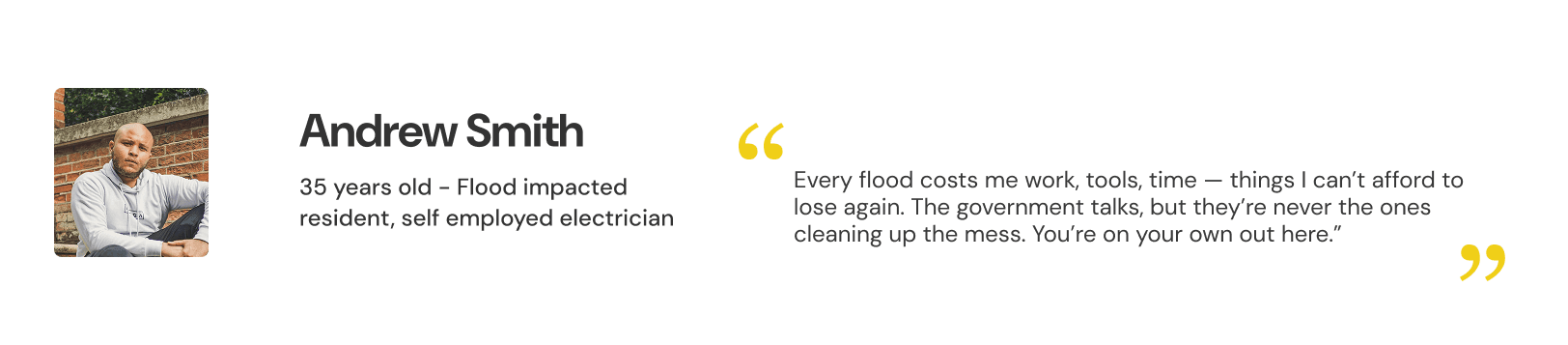
After immersing ourselves in community stories through online ethnography, we felt a strong responsibility to design with care. We created three personas to keep real residents — their fears, needs, and resilience at the centre of every design decision.

COMPETITOR ANALYSIS
Learning from how others design for calm, clarity, and trust
This comparison reinforced the importance of designing for calm, emotional safety, and clarity, not just information delivery.
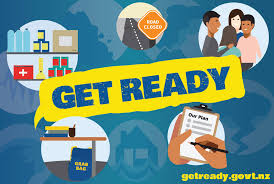
Calm tone, inclusivity & visual reassurance
New Zealand - Uses friendly and reassuring language, calming graphics, and te reo Māori alongside English. This approach reduces anxiety, avoids retraumatisation, and reflects cultural inclusivity
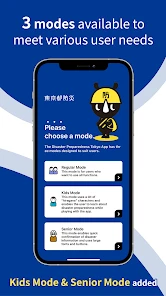
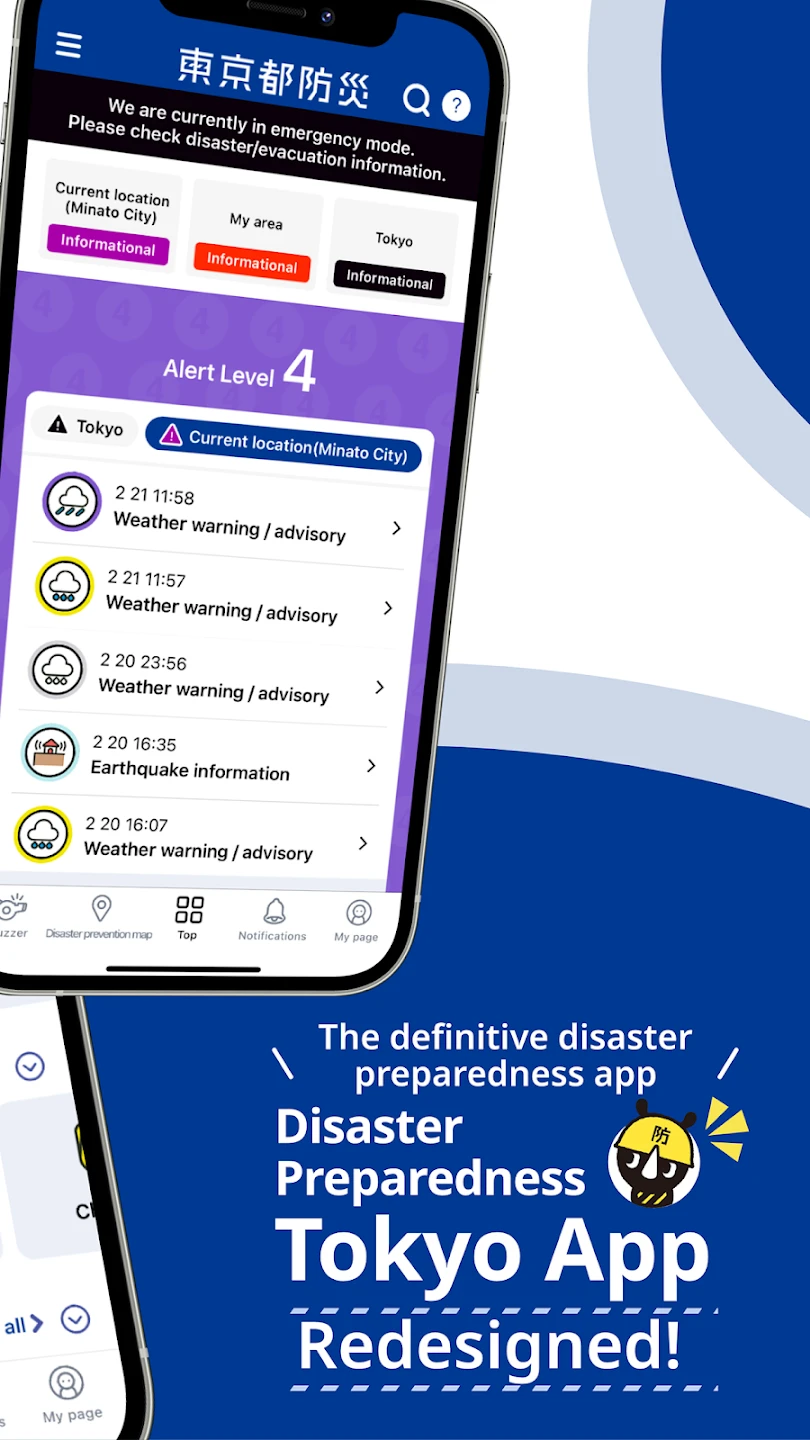
In contrast, platforms like NSW SES and FEMA prioritise completeness and urgency, often relying on dense text, extensive links, and real disaster imagery. While comprehensive, these approaches can feel overwhelming and emotionally confronting, especially during high-stress moments.
SYNTHISIZING OUR FINDINGS
One-size-fits-all flood preparedness doesn’t work — accessibility and tailored support are essential
Synthesising findings from online ethnography, public inquiries, competitive analysis, and secondary research, several clear patterns emerged around trust, accessibility, and how residents experience flood preparedness in Lismore
[03] Emotional safety neees to be prioritized
Repeated flood events have left many residents living with ongoing anxiety, where even heavy rain can be triggering. Alarmist language and graphic imagery risk increasing distress rather than helping people prepare. This highlights the need for calm, reassuring communication.
[04] Flood risk is continuous, not a one off
For Lismore residents, flooding isn’t a single emergency event but a cycle of preparation, response, and rebuilding. This reinforced that effective tools must support long-term readiness and coordination, not only moment-of-crisis alerts.
[01] One size fit all tool doesn't work
Research revealed wide differences in digital literacy, emotional readiness, and access needs. International examples — such as age-specific modes in Tokyo’s earthquake tools and inclusive design in New Zealand’s emergency platforms — show that effective preparedness tools must adapt to users, rather than assume a single “average” experience.
[02] Trust lives in the community, not institutions
Research showed that trust in government-led systems had eroded, leading residents to rely on community-led networks for timely updates and support. While these grassroots channels were more trusted, information was often fragmented across platforms, increasing cognitive load during already stressful moments.
DESIGN PROCESS & ITERATIONS
Goal: A platform that feels calm, trustworthy, and community-led, without information overload and designed for everyone
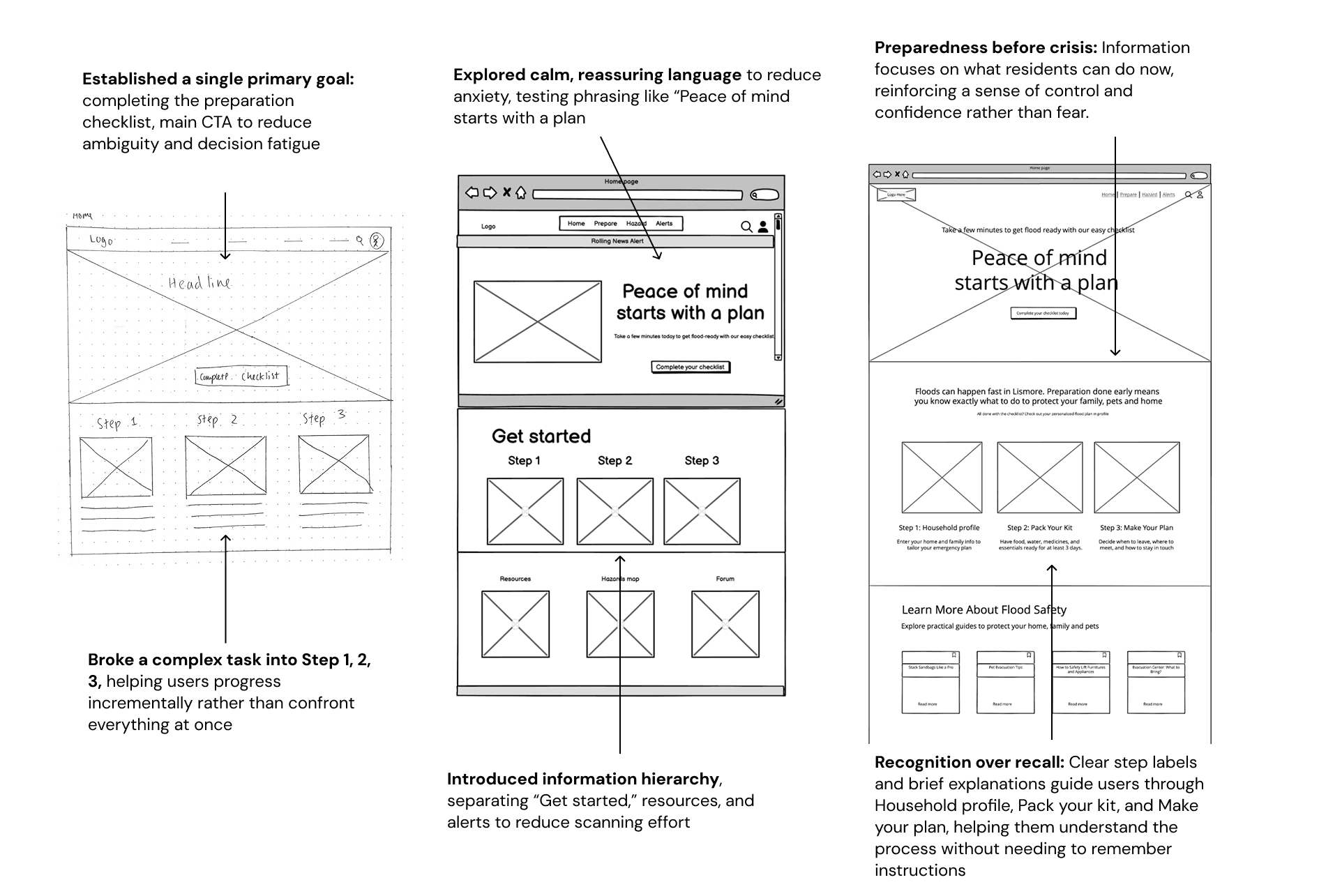
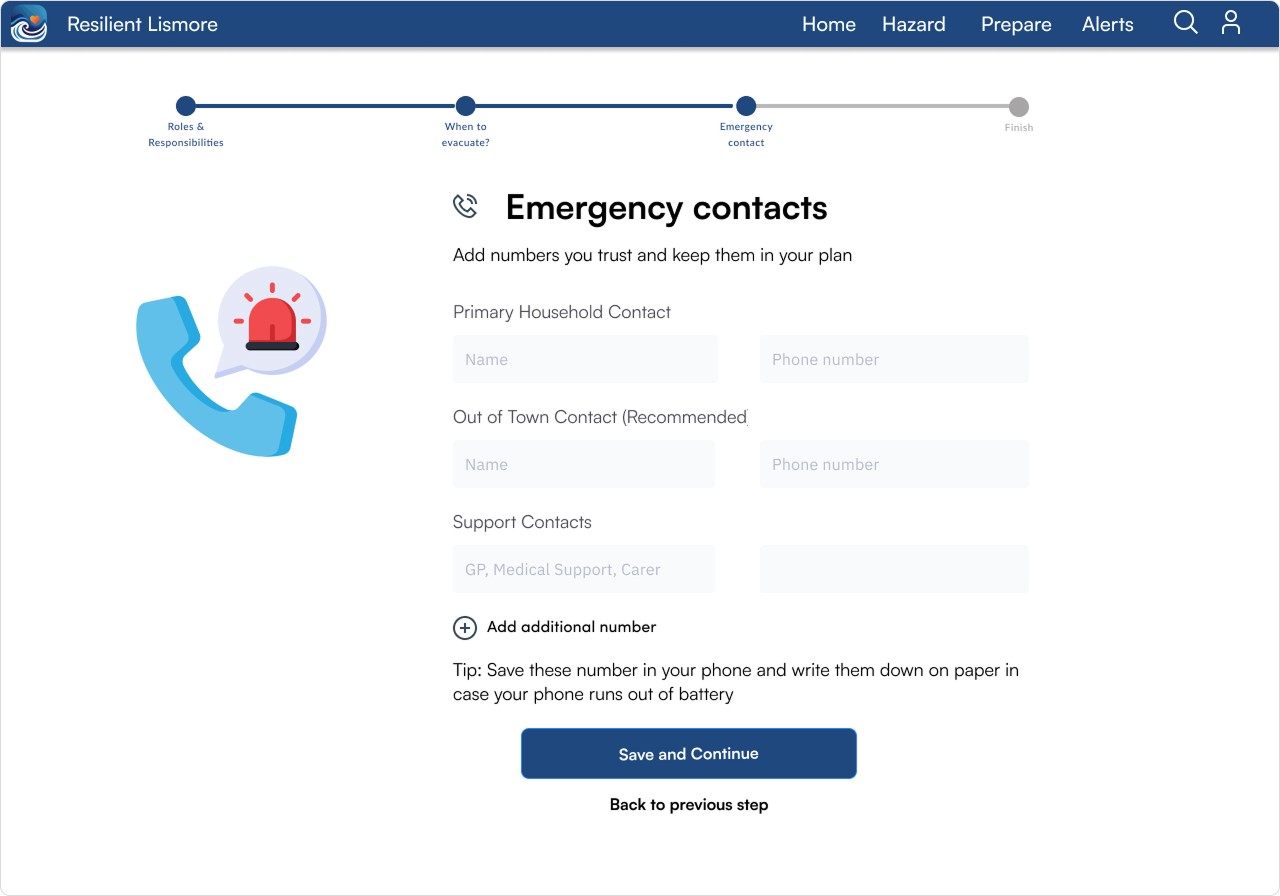
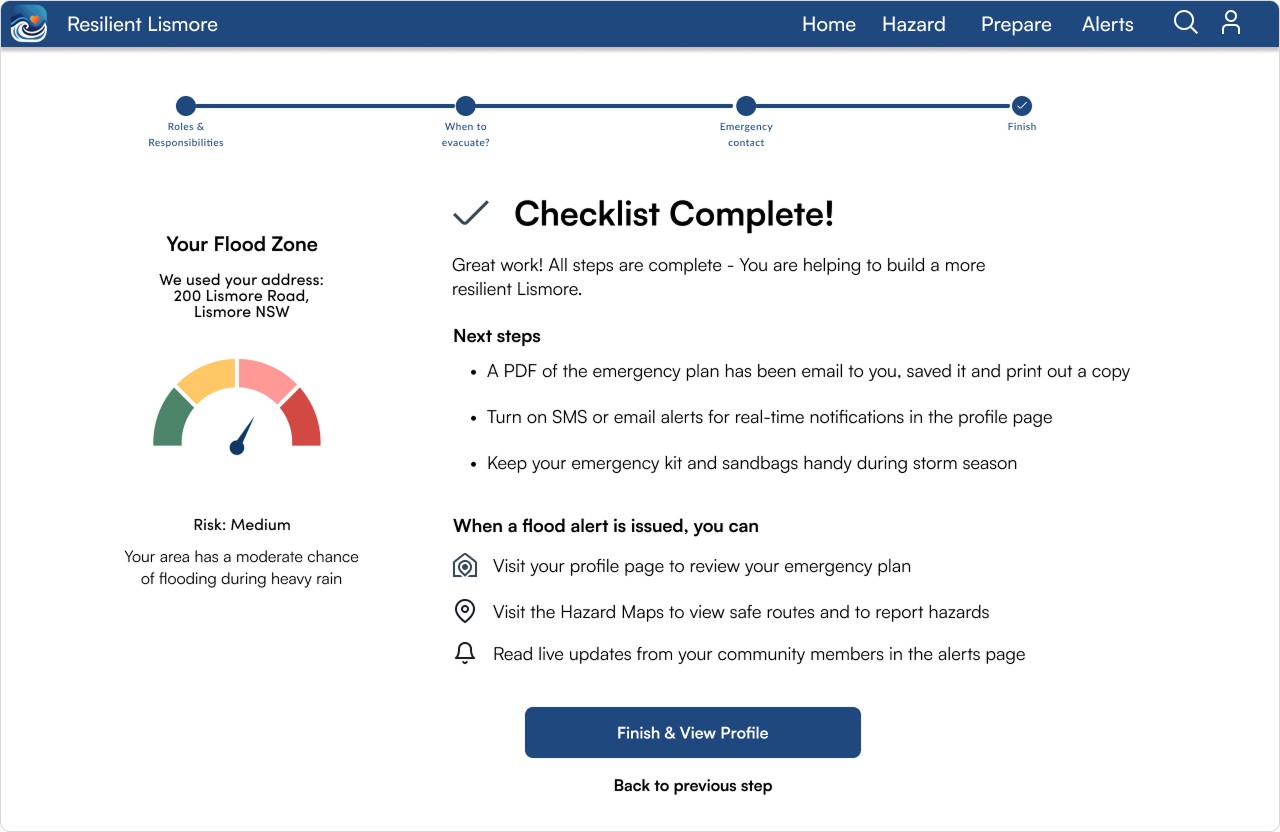
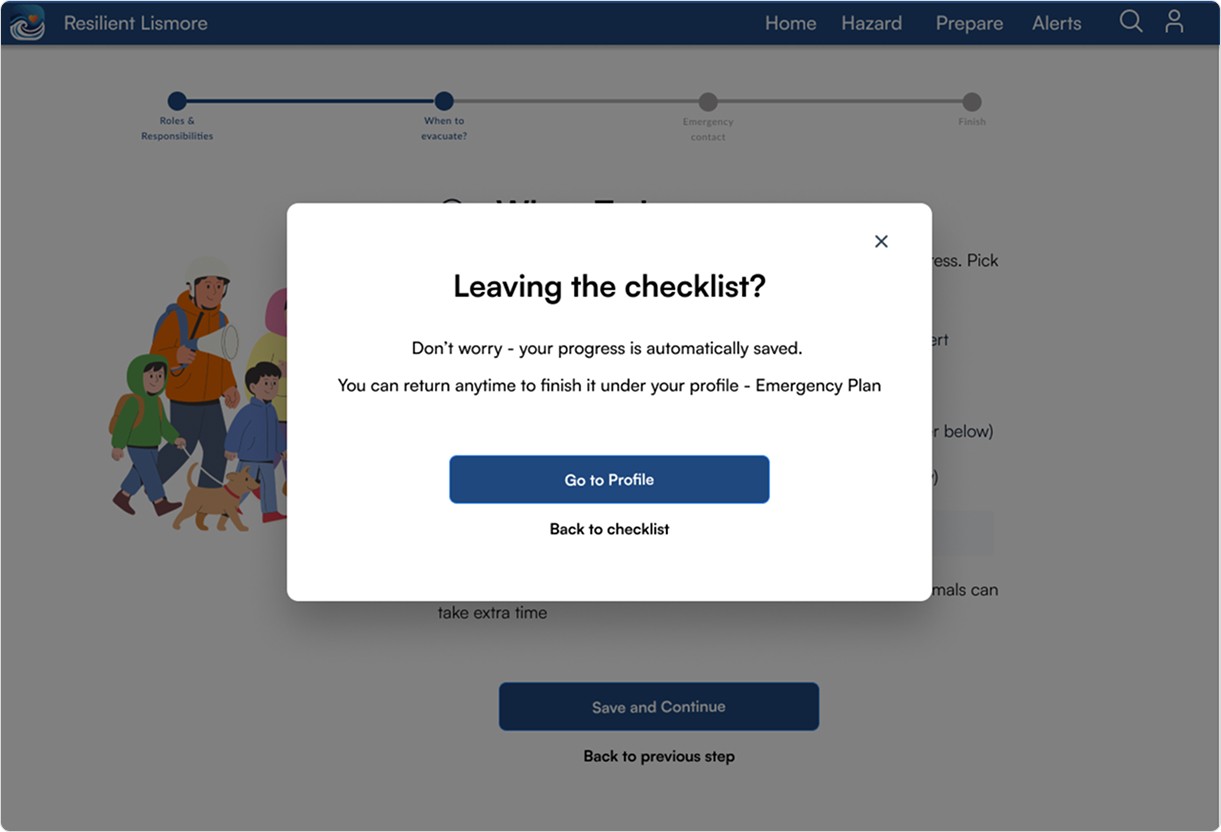
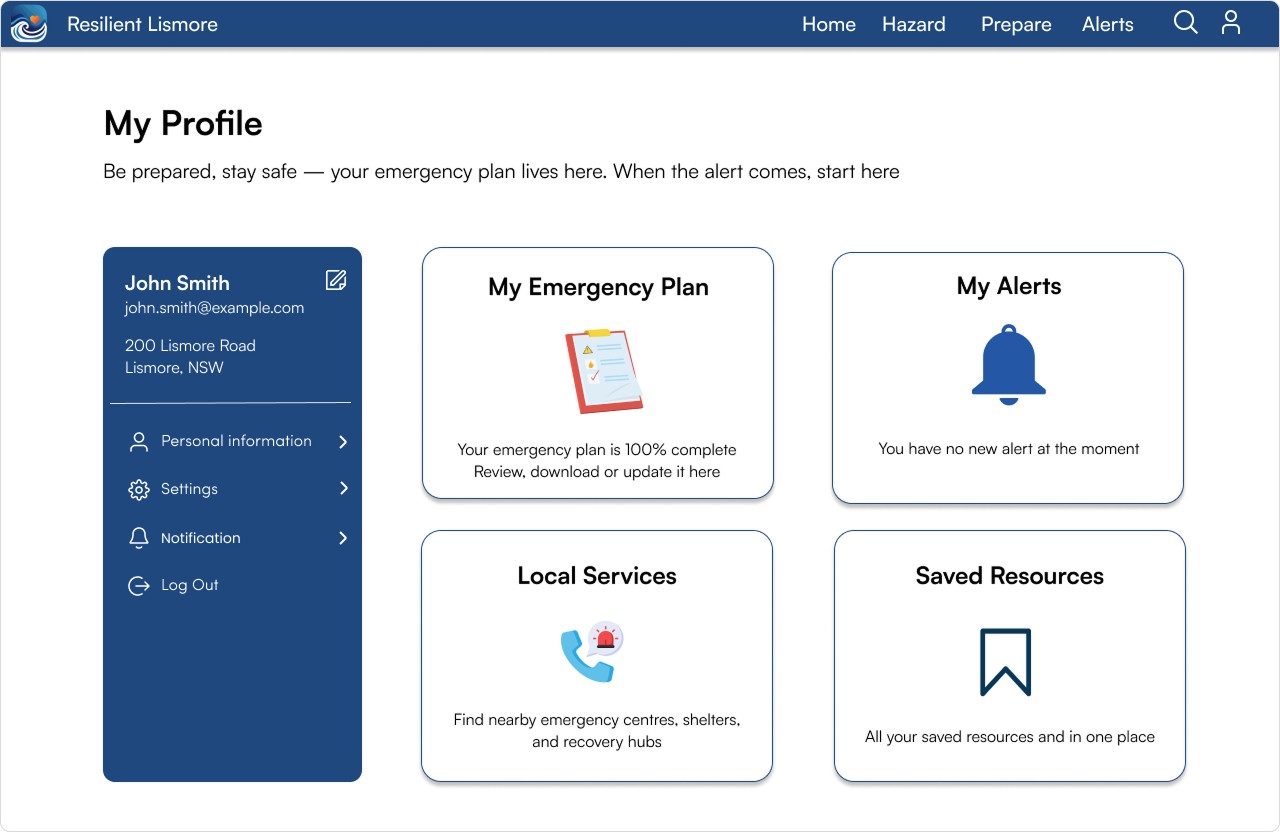
The design process began with paper sketches, progressed to low-fidelity wireframes in Balsamiq, developing a design system and six rounds of iteration.
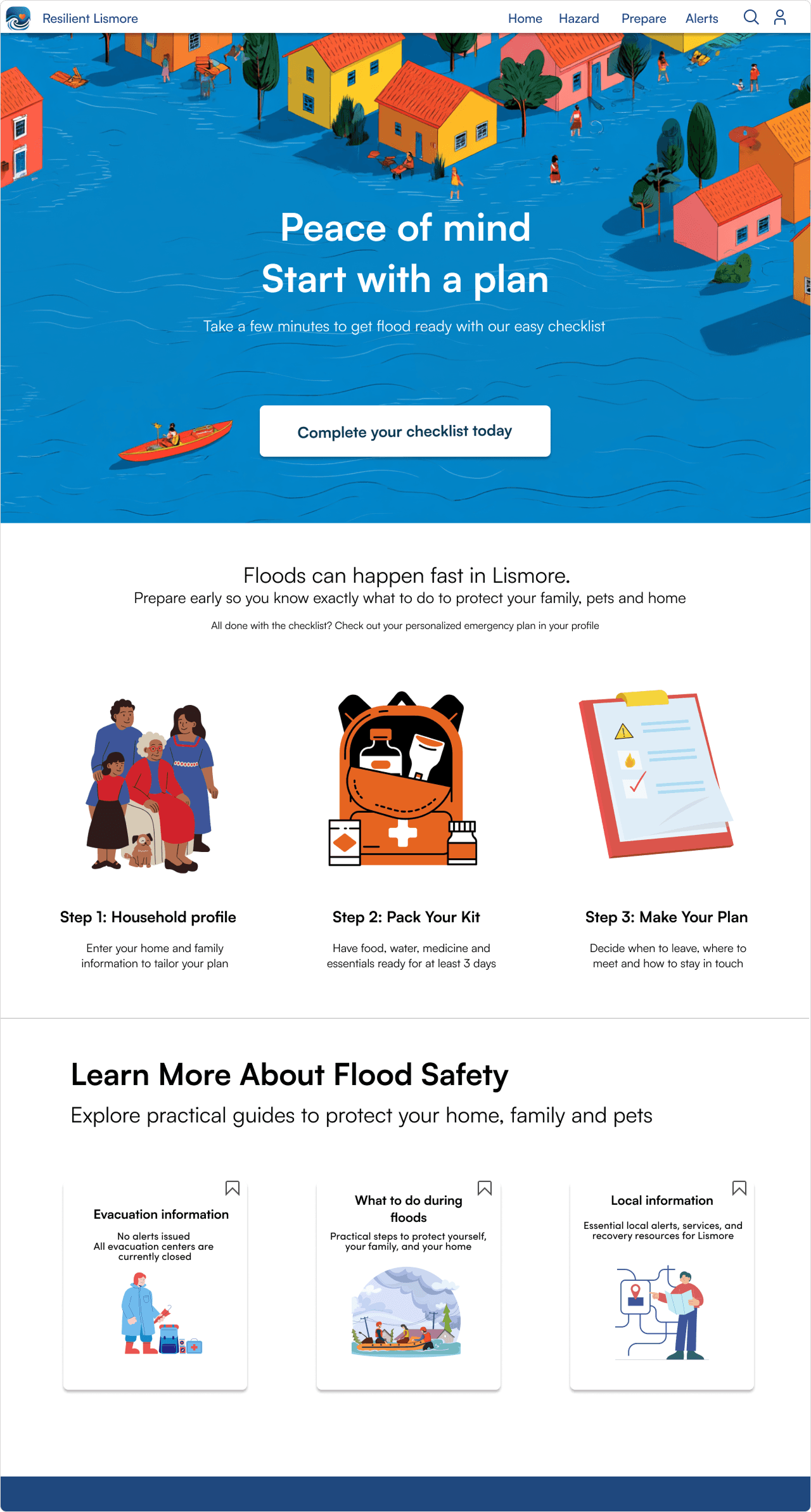
Homescreen - preparing resident before alert is raised
Flood Hub - Where to go after the alert is raised


ITERATIONS
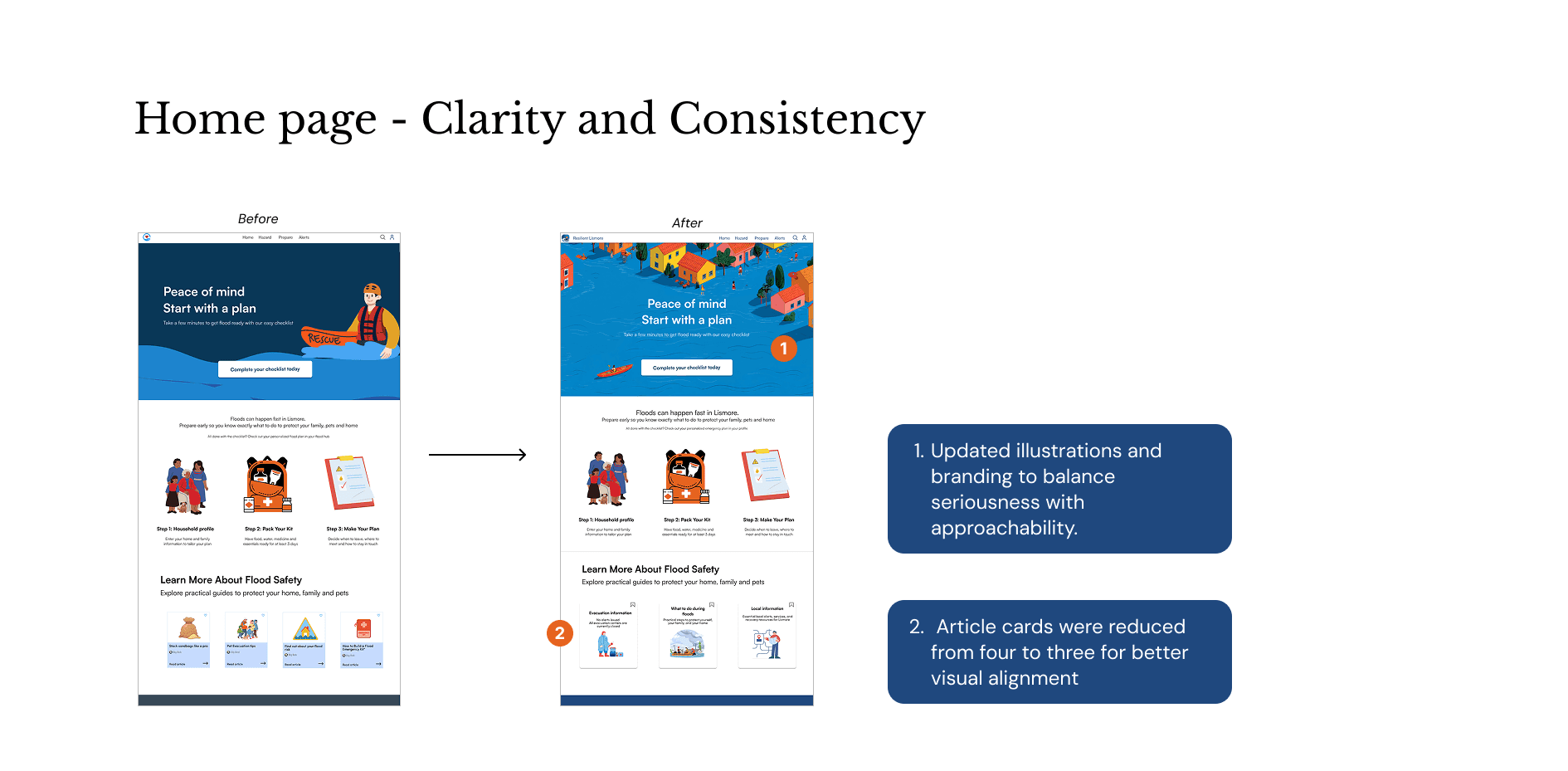
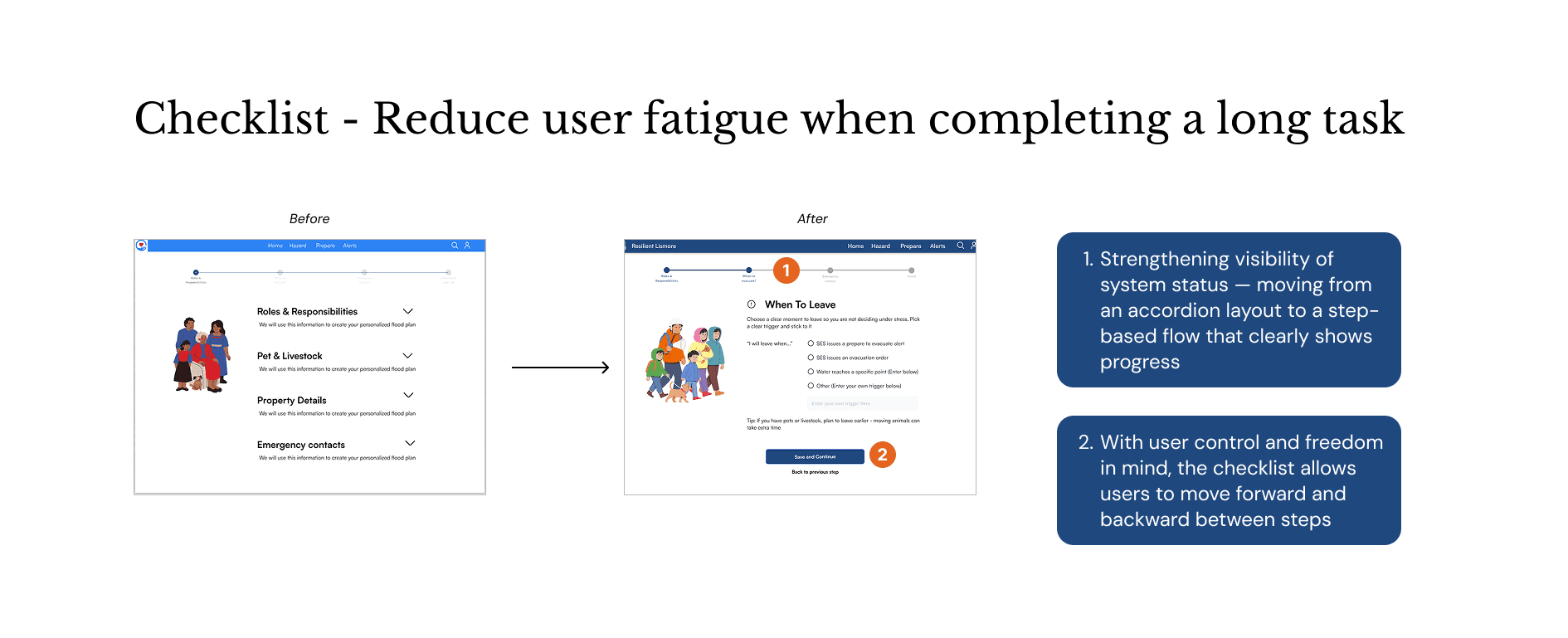
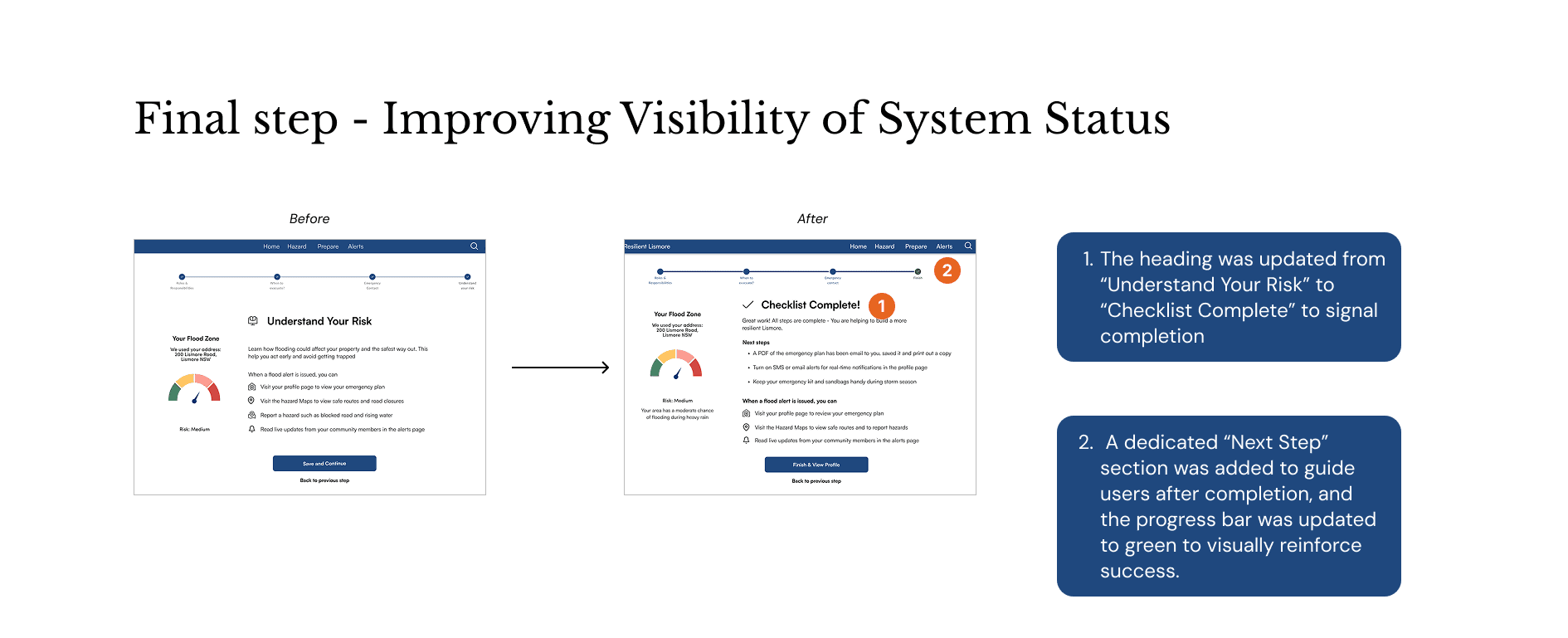
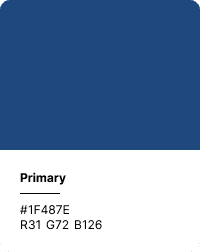
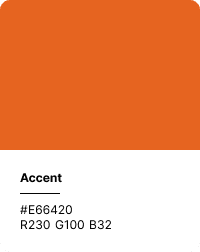
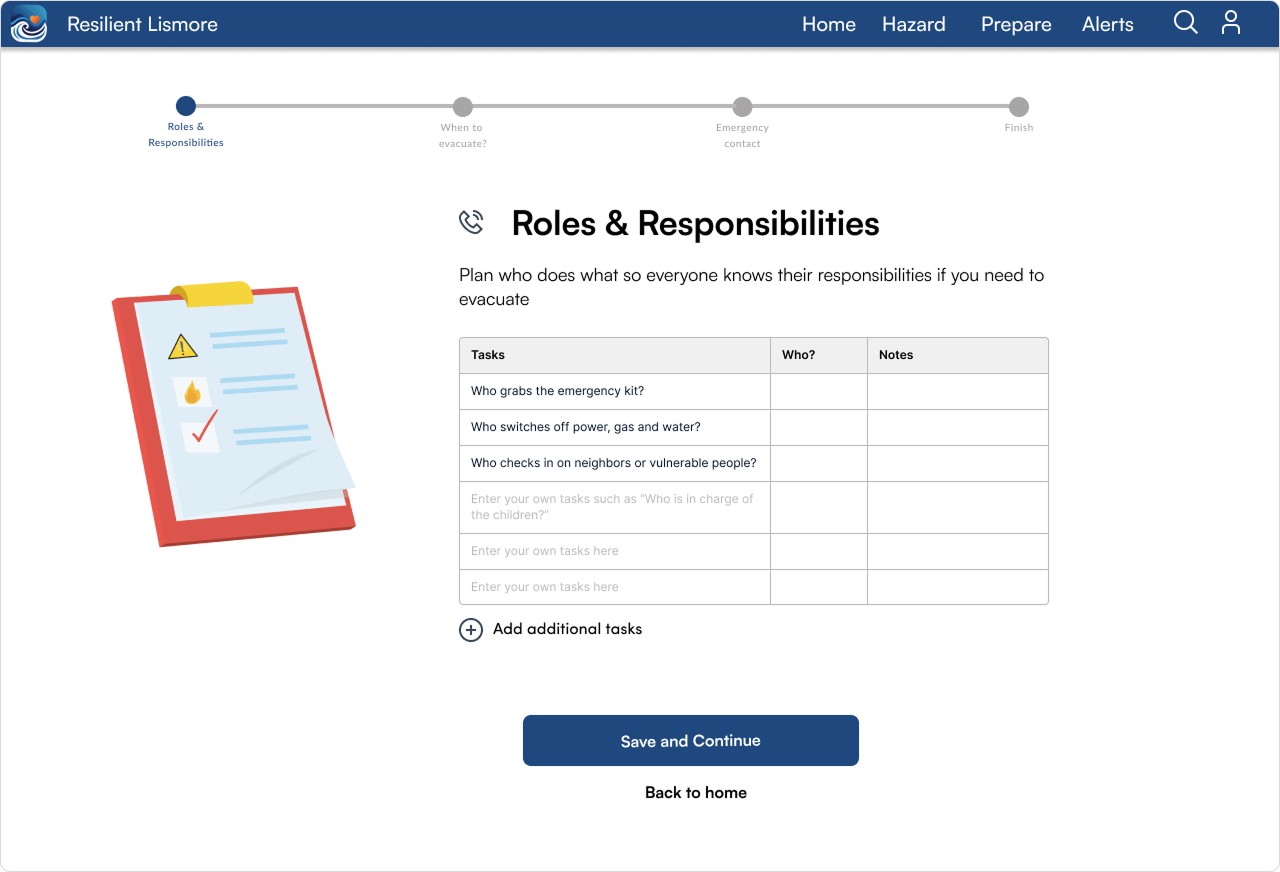
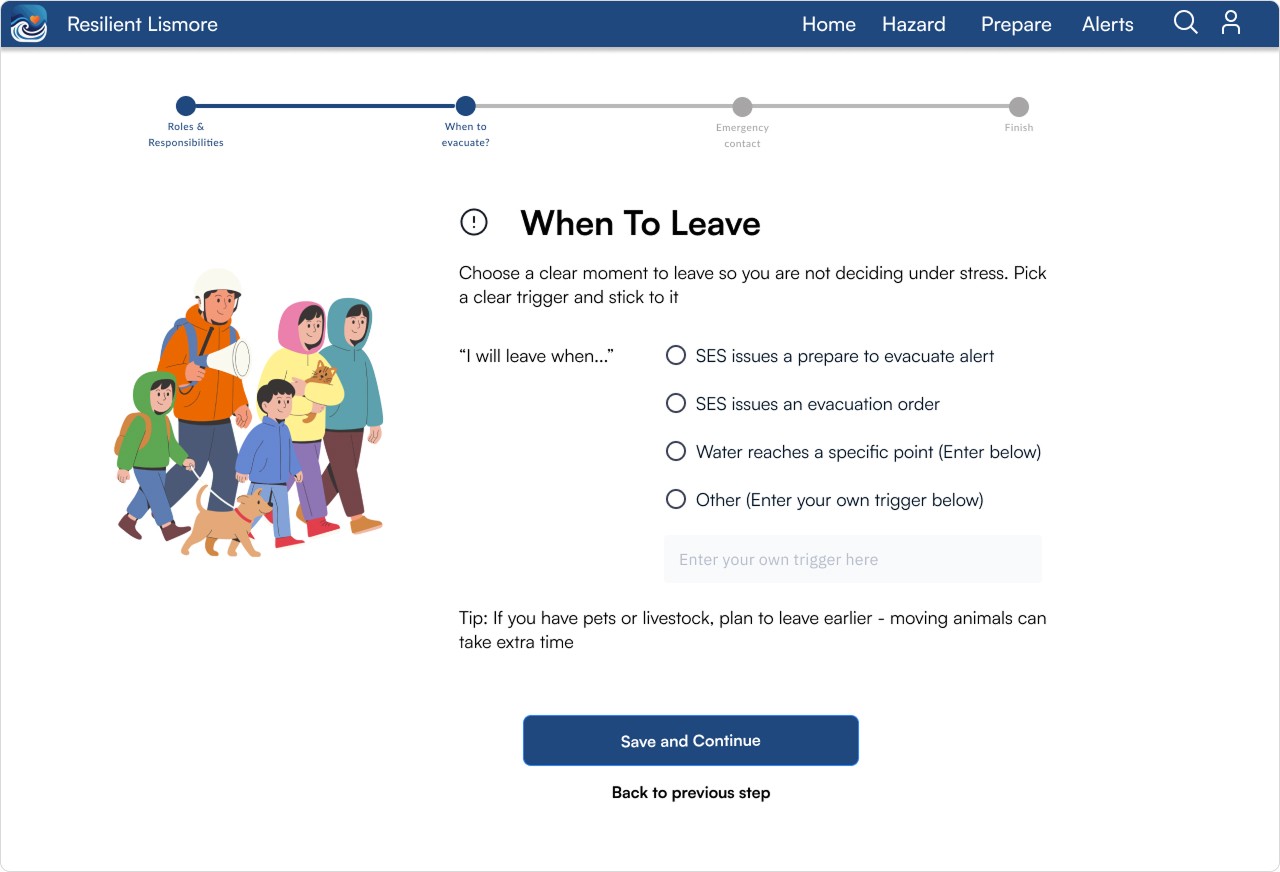
Guided by usability heuristics, I iterated to explore layout, interaction patterns, and refine the colour system to better convey trust, calm, and reliability in high-stress contexts.